


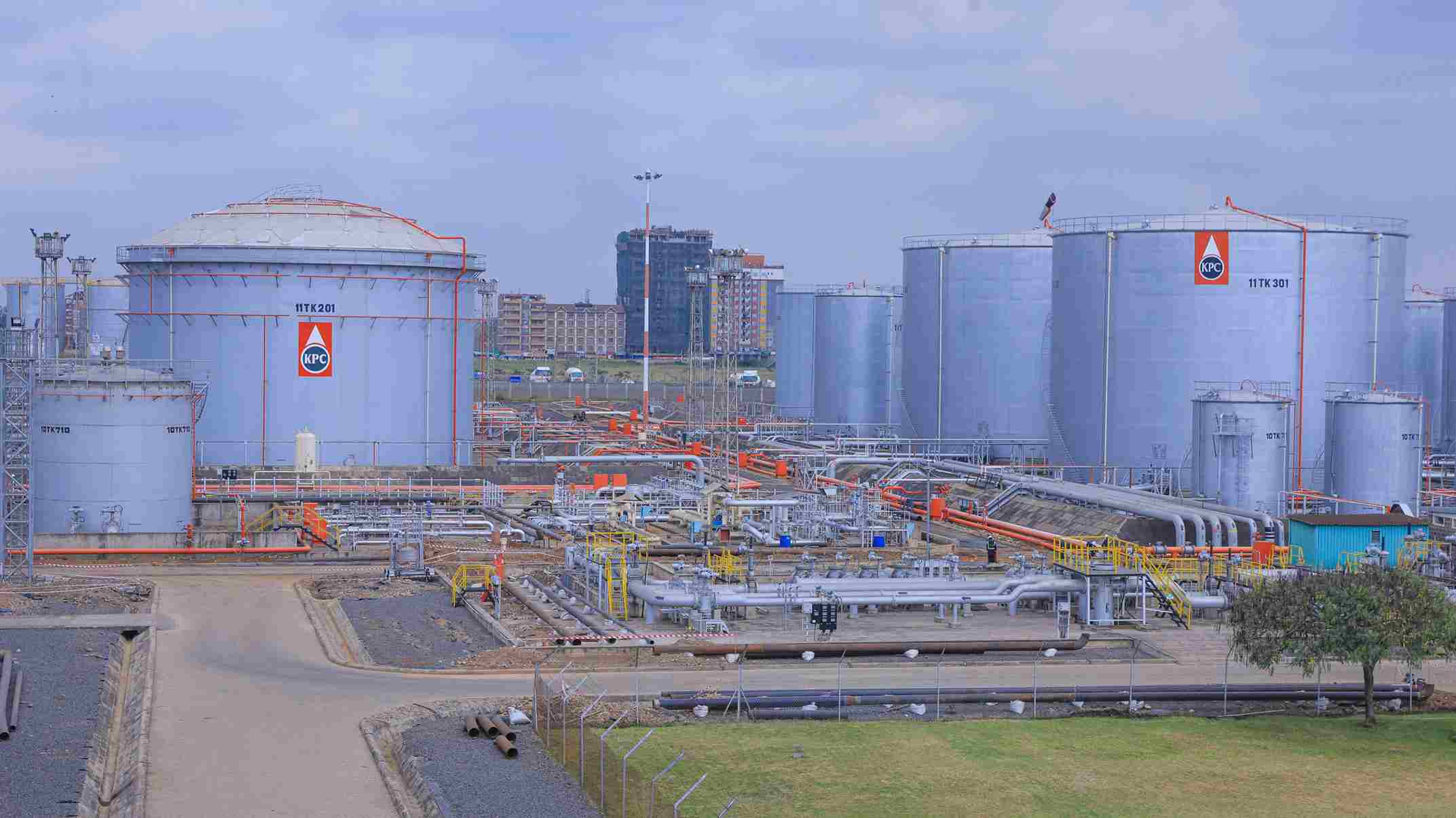
The High Court in Nairobi has blocked the planned privatisation of the Kenya Pipeline Company (KPC) after a petitioner challenged the Cabinet’s recent approval of the sale.
Justice Bahati Mwamuye, ruling on August 16, restrained the National Treasury from “selling, allocating, disposing of, transferring, or in any way dealing with KPC shares” until the petition is fully heard. The judge emphasised that no shares may be offered for sale pending the outcome of the legal proceedings.
Petitioners have been directed to serve all respondents and interested parties. The Treasury must respond by August 22, with a rejoinder from the petitioner due by August 29.
Cabinet’s Privatisation Plan Faces Judicial Roadblock
The court’s intervention comes just weeks after the Cabinet endorsed the sale of KPC as part of a broader asset divestiture strategy aimed at boosting private sector-led growth. The government had projected that the move would unlock innovation and efficiency in the fuel distribution sector.
KPC, a state-owned enterprise operating in Nairobi, Mombasa, Nakuru, Eldoret, and other towns, posted a pre-tax profit of KES 10 billion ($77.13 million) in the 2023–24 financial year, a 32% increase from the previous year. It also grew revenue by 15% to KES 35.4 billion ($273.04 million), citing increased petroleum throughput and favourable forex rates.
IPO Strategy and Fiscal Goals
The Treasury plans to raise KES 149 billion ($1.15 billion) through asset sales, including a proposed Initial Public Offering (IPO) for KPC. Based on audited accounts, it values KPC at KES 120 billion and expects a higher valuation once it appoints advisors.
A sessional paper presented to Parliament outlines the government’s intent to divest 65% of its stake in KPC, retaining 35%. The Treasury aims to raise KES 100 billion from the IPO, with shares offered to employees ahead of the planned listing on the Nairobi Securities Exchange (NSE) in September.
The Treasury also announced that it may use the proceeds to reduce public debt, support the national budget, and fund infrastructure projects. It emphasised a shift toward domestic liability management to create fiscal space and attract foreign investment, generate jobs, and expand access to credit.
Previous Legal Opposition
This is not the first legal hurdle for KPC’s privatisation.
In 2023, opposition leader Raila Odinga filed a petition challenging the sale, citing sovereignty concerns and a lack of public participation.
With the High Court’s latest ruling, the future of KPC’s ownership now rests with the judiciary, placing executive plans on hold.
