


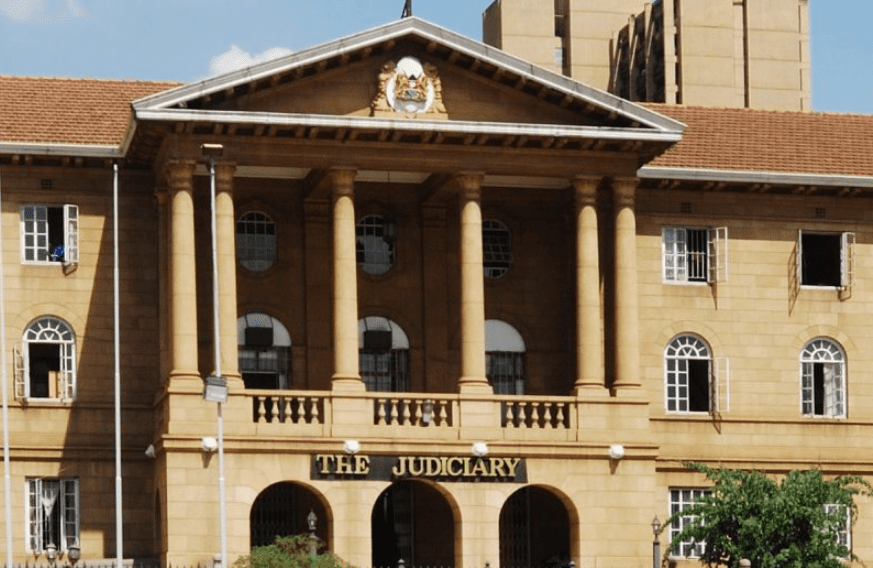
Kenya’s fight over the Computer Misuse and Cybercrimes Act enters a new chapter. The Bloggers Association of Kenya (BAKE) filed a notice of appeal at the Supreme Court on Thursday, pushing the legal contest over digital speech laws to the country’s highest court.
The deadline to lodge the full appeal falls on 16th April 2026.
Why the Fight Continues
The move follows a Court of Appeal ruling on 27th February 2026 that declared Sections 22 and 23 of the Act unconstitutional. Those sections, widely used to prosecute content creators under “false publication” charges, fell after a joint petition by BAKE, the Kenya Union of Journalists, and Article 19 Eastern Africa.
That ruling was a victory, but for BAKE, it did not go far enough.
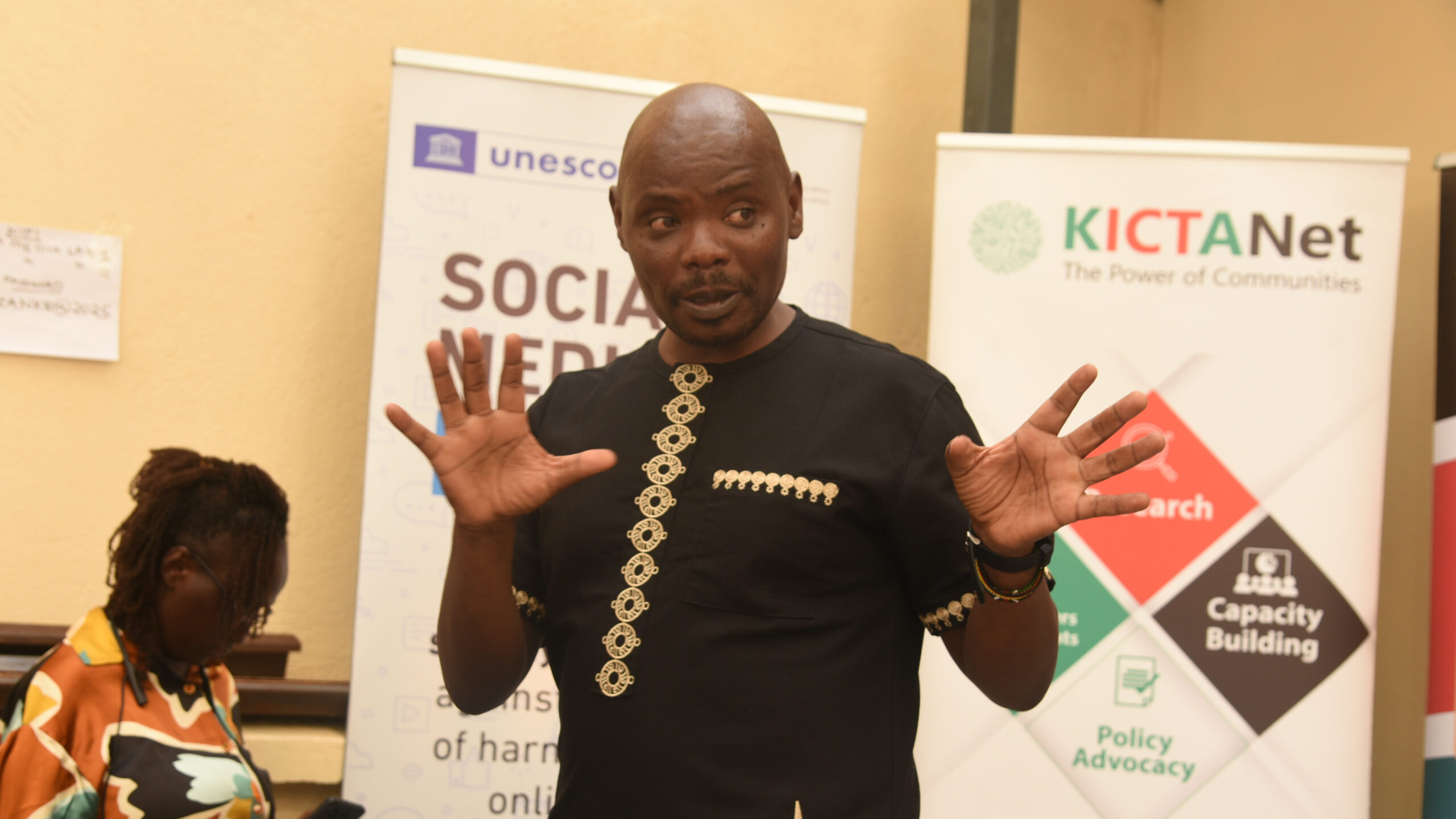
Section 27 of the same Act survived the Court of Appeal. BAKE Chair Kennedy Kachwanya says the association believes that section remains a threat. “It was deemed acceptable, but in our view it is not,” he told journalists after filing the notice.
A Case That Started in 2018
BAKE first challenged the Act in 2018, the same year parliament enacted it. The High Court ruled against them. They appealed. The Court of Appeal struck down two sections but upheld others. Now, the Supreme Court becomes the next arena.
The case stretches eight years, with content creators paying part of the price along the way. One of them, Alberto Joan, died while facing charges under the false publication provisions — a case that Kachwanya cited as evidence of what is at stake when vague laws meet unchecked prosecution.
Criminal Defamation Through the Back Door
At the centre of BAKE’s argument is a familiar pattern. Criminal defamation was declared unconstitutional years ago, yet Kachwanya says governments keep reviving it through new legislation. False publication provisions, he argues, serve the same purpose dressed in different language.
“What lawmakers want is criminal defamation,” he said. “When it gets struck down, they bring it back through the backdoor.”
What BAKE Wants
The association is not calling for the Act’s repeal. Their position is targeted: amend the law so that it protects the public without criminalising the people who inform them.
BAKE’s coalition at the Supreme Court includes the Law Society of Kenya, the Kenya Union of Journalists, and Article 19. Together, they plan to identify which sections require the court’s attention and build the case around those provisions specifically.
If the Supreme Court rules against them, Kachwanya says the fight does not end there. “This is our country,” he said. “The legal process exists to ensure that laws serve the public. We will keep advocating until they do.”
Why This Reaches Beyond Journalists
Kachwanya made a point that anchors the broader stakes. Content creation no longer belongs to a professional class. Governors, lawyers, ordinary citizens — everyone now publishes, posts, and broadcasts. A law that criminalises online speech affects every Kenyan who has ever shared an opinion on their phone.
“Everyone is now a content creator,” he said. “Having a just law governing content is good for everyone.”
The Supreme Court appeal now sets up what could become the definitive ruling on digital speech rights in Kenya.
