




Kenya’s annual consumer price inflation slowed to 4.4% in January 2026, down slightly from 4.5% in December 2025, according to the Kenya National Bureau of Statistics (KNBS).
The decline marks the lowest inflation rate in six months, driven largely by base effects and easing costs in transport, food, and communication services.

Key Drivers of Inflation
- Food & Non-Alcoholic Beverages rose 7.3%, remaining the biggest contributor to headline inflation.
- Transport costs increased 4.8%, though inter-town bus and matatu fares fell by 1.9%, supported by lower petrol (-1.1%) and diesel (-0.6%) prices.
- Housing, Water, Electricity, Gas & Other Utilities climbed 2.2%, with electricity tariffs rising 3.7% for 50 kWh and 3.4% for 200 kWh.
Monthly inflation stood at 0.6%, while core inflation edged up to 2.2% from 2.0% in December.
Commodities Snapshot
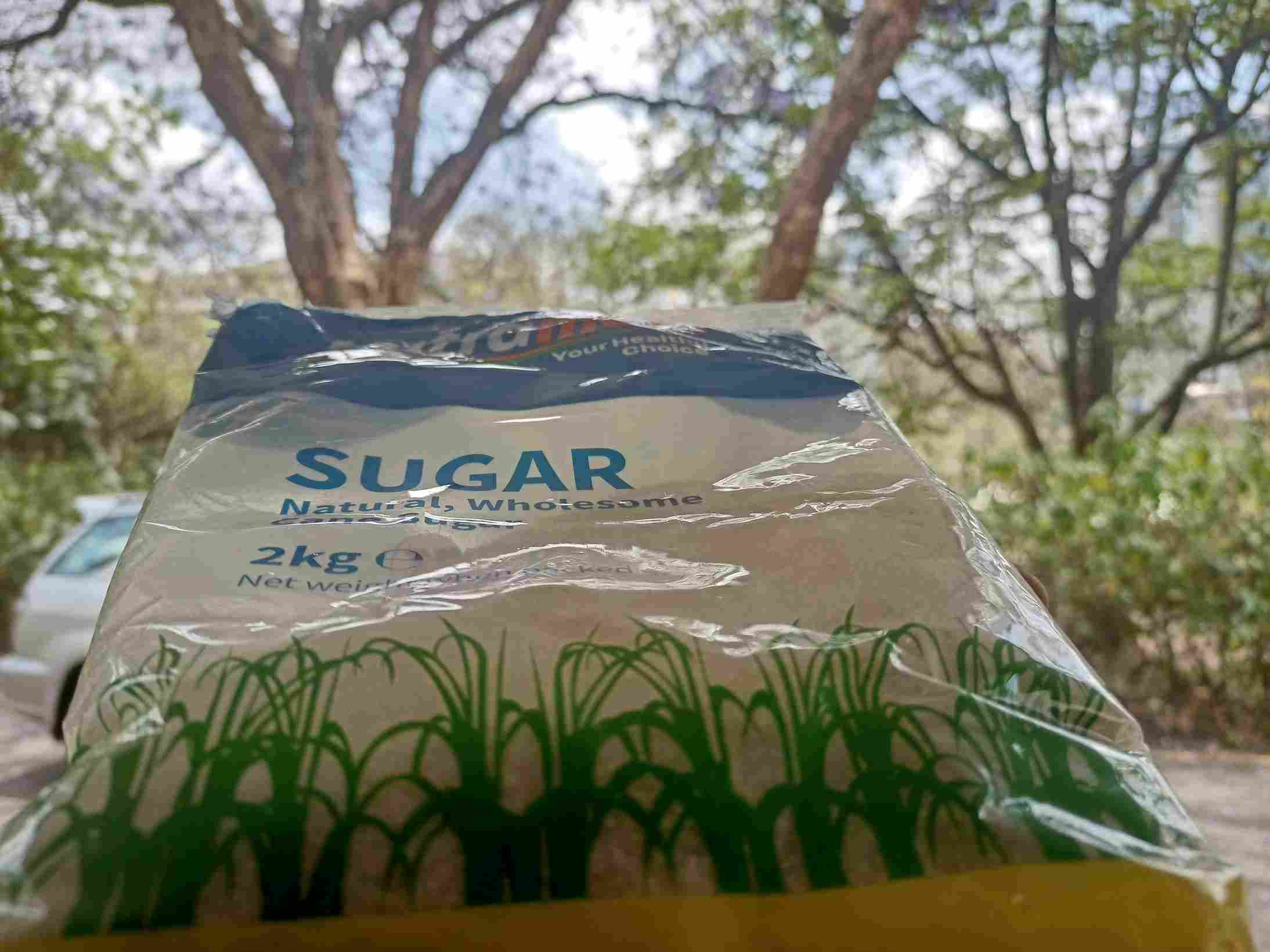
- Food basket: Prices of sugar (-3.0%), mangoes (-3.2%), and cooking oil (-0.1%) declined, while cabbages (+9.3%), fortified maize flour (+6.7%), sukuma wiki (+4.0%), and Irish potatoes (+3.4%) registered sharp increases.
- Energy: Electricity costs rose, but kerosene prices eased (-0.6%).
- ICT & communication: Mobile handsets and televisions dropped (-0.3%), internet costs fell (-0.2%), and pay-TV subscriptions such as DStv declined (-0.1%). In contrast, laptop prices edged up (+0.2%).
- Healthcare: Cancer medicines (-2.0%), spectacles (-0.6%), and X-rays (-0.2%) became cheaper, while diabetes medicines and lab tests rose (+0.9%).
Kenya’s inflation rate has averaged 8.37% between 2005 and 2026, peaking at 31.5% in May 2008 and hitting a record low of 2.7% in October 2024. The current easing trend reflects relative price stability compared to past volatility.
Outlook
Analysts note that while January’s slowdown offers relief, volatile food and energy prices remain key risks. The balance between falling transport and communication costs and rising electricity and staple food prices will determine whether inflation continues to ease in the coming months.
