


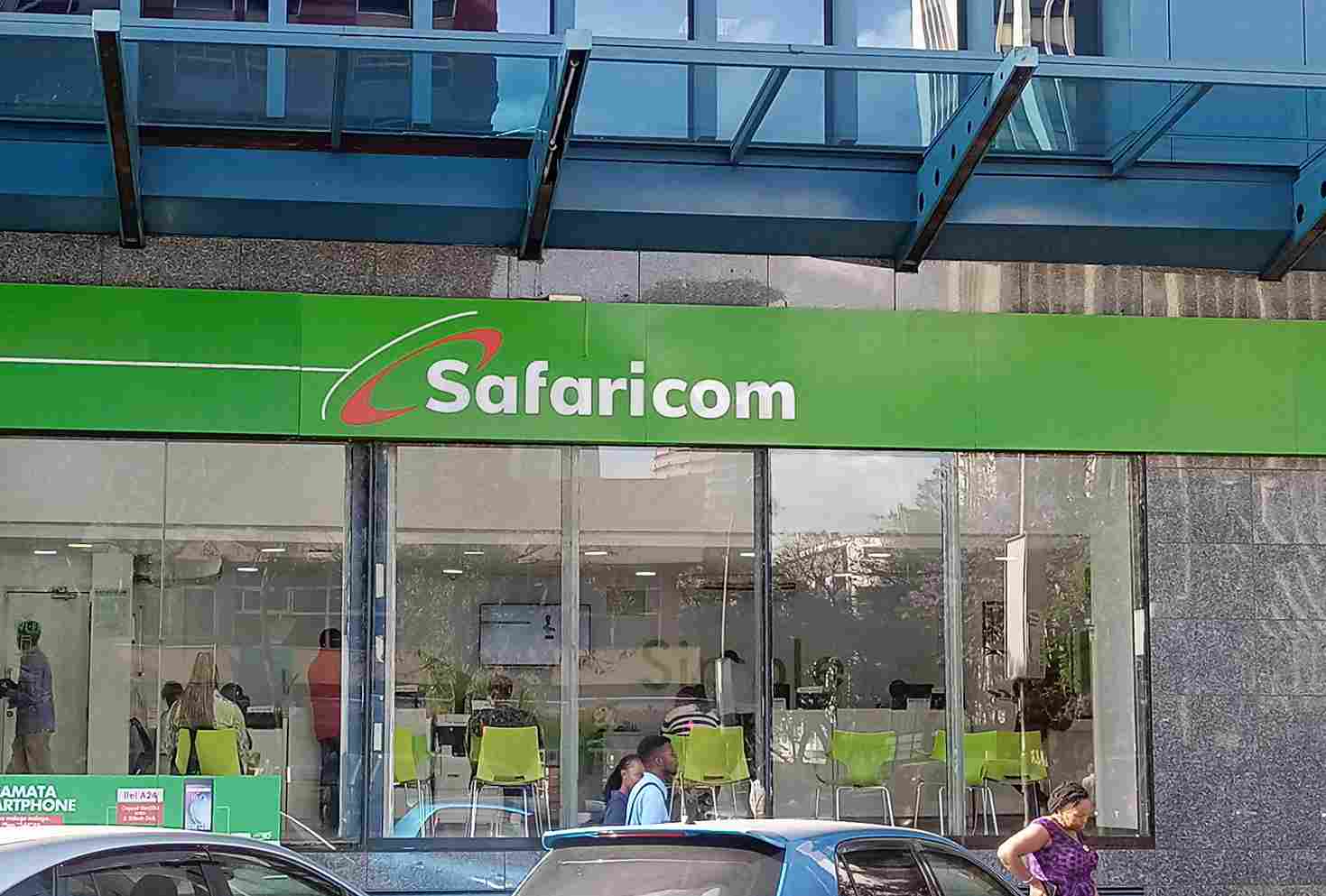
Treasury Cabinet Secretary John Mbadi has defended the government’s plan to divest a 15 per cent stake in Safaricom PLC to Vodacom Group, saying the move will unlock billions for infrastructure projects while safeguarding Kenya’s long‑term interests in the telecom giant.
Why the Government is Selling
Mbadi told MPs that the partial divestiture is designed to shield the state’s remaining shares from dilution as Safaricom raises capital for expansion.
“Unlike taxation, privatization never reduces private sector wealth. In most cases it encourages the propensity to invest, and enhance aggregate demand which in the long run would widen the revenue base,” he said.
Other key reasons include:
- Optimum value realization: The stake has been nurtured for over 25 years, and selling now ensures maximum returns.
- Fiscal constraints: With limited debt capacity, government‑owned firms struggle to fund growth even when payoffs are certain.
- Economic stimulus: The transaction provides non‑tax revenue to finance priority projects in energy, roads, water, airports, and digital transformation.
Deal Structure and Safeguards
The buyer, Vodacom Group—65% owned by Vodafone—has been a strategic partner in Safaricom since 1998. The negotiated price of KSh34 per share is above market averages, generating KSh204.3 billion ($1.576 billion) in proceeds plus an upfront KSh40 billion dividend advance.
To protect national interests, the government will retain a 20% stake and two board seats. Additional safeguards include:
- No redundancies for three years.
- Retention of Safaricom’s brand identity.
- Kenyan leadership for chairman, CEO, and independent directors.
- Continued support for the Safaricom Foundation.
Valuation Benchmarks
The Treasury engaged Kenya Commercial Bank Investment Bank to advise on valuation. Multiple approaches were used:
- Discounted Cash Flow (DCF): KSh18.51 per share
- Dividend Discount Model (DDM): KSh23.61 per share
- Six‑month weighted average price: KSh27.50
- Investment banks’ average target: KSh30.82
- Final negotiated price: KSh34 per share
This represents a 17% premium to the prevailing market price of KSh28.50.
Fiscal and Economic Impact
Mbadi emphasized that the deal guarantees “hard cash, minimal disruption, and a long‑term strategic partner willing to take higher risks.”
“This transaction favours the Government both in present and future value terms,” he noted, explaining that investing the KSh40 billion advance could grow to KSh75 billion in six years, compared to the KSh55 billion repayment initially expected.
The Treasury argues that the divestiture will:
- Mobilize foreign currency inflows.
- Deepen Kenya’s capital markets by attracting institutional investors.
- Reduce reliance on debt while sustaining gains in inflation control, interest rates, currency stability, and GDP growth.
Oversight and Next Steps
The transaction is subject to approvals from regulators, including the Communications Authority (CA), Central Bank of Kenya (CBK), Data Protection Commissioner, and the Competition Authority of Kenya (CAK).
The Joint Committee of Parliament has been asked to recommend approval of the proposal, which would reduce the government’s stake in Safaricom from 35% to 20%.
