



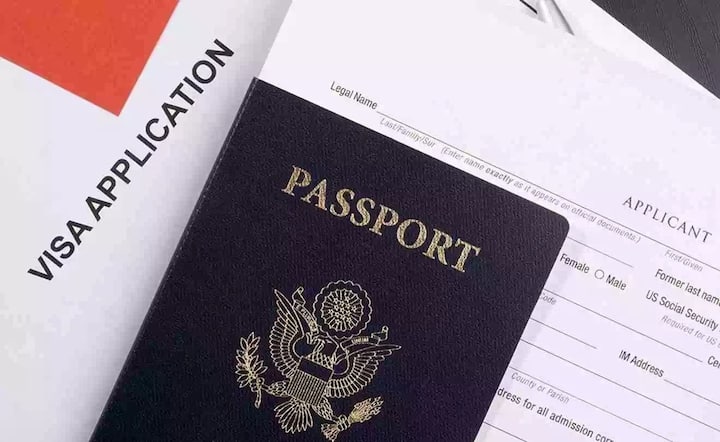
The United States has expanded its visa bond program, requiring travellers from several African countries to pay up to $15,000 in refundable deposits when applying for visitor visas.
The policy, part of a State Department pilot, aims to curb visa overstays but has drawn criticism for disproportionately targeting African nations.
African Countries Now Required to Pay Visa Bonds
As of January 1, 2026, nationals from Bhutan, Botswana, the Central African Republic, Guinea, Guinea-Bissau, Namibia, and Turkmenistan are required to pay bonds ranging from $5,000 to $15,000.
On January 21, 2026, the list expands further to include:
- Algeria
- Angola
- Benin
- Burundi
- Cabo Verde
- Côte d’Ivoire
- Djibouti
- Gabon
- The Gambia (added earlier in October 2025)
- Mauritania (added October 2025)
- Nigeria
- Senegal
- Tanzania (added October 2025)
- Togo
- Uganda
- Zimbabwe
- Zambia (added August 2025)
- Malawi (added August 2025)
In total, more than 20 African countries are now subject to the bond requirement, making the continent the most heavily represented region on the list.
Why Africa Is in the Spotlight
The State Department says the program targets countries with high visa overstay rates, citing Department of Homeland Security data. For example:
- Malawi: 14% of visitors overstayed in FY2023.
- Zambia: 11% overstayed in the same period.
But some newly added African nations show low overstay numbers:
- Central African Republic: Only 2% of 137 visitors overstayed in FY2024.
- Namibia: 4% suspected overstays.
This discrepancy has fueled debate over whether the program unfairly burdens African travellers.
Financial Burden on African Families
For African families and groups, the upfront cost is steep. Couples or families may need to pay $10,000–$15,000 per person, meaning a family of four could face $40,000–$60,000 in deposits before travelling.
The State Department estimates the year-long pilot could generate $20 million in bonds, based on 2,000 travellers paying an average of $10,000 each.
Limited Entry Points and Exemptions
Travellers approved under the program can only enter the U.S. through Boston Logan, New York JFK, or Washington Dulles airports. The program does not apply to student visas, and nationals from 42 countries in the Visa Waiver Program—including most of Europe, Australia, Qatar, and Israel—remain exempt.
Context for African Travelers
The visa bond pilot was first considered in 2020 but was delayed due to the pandemic. Relaunched in 2025, it now disproportionately affects African nations, raising concerns among governments, diaspora communities, and advocacy groups about barriers to mobility and economic exchange.
U.S. Tightens Immigrant Visa Interview Rules: What Travelers Need to Know
