



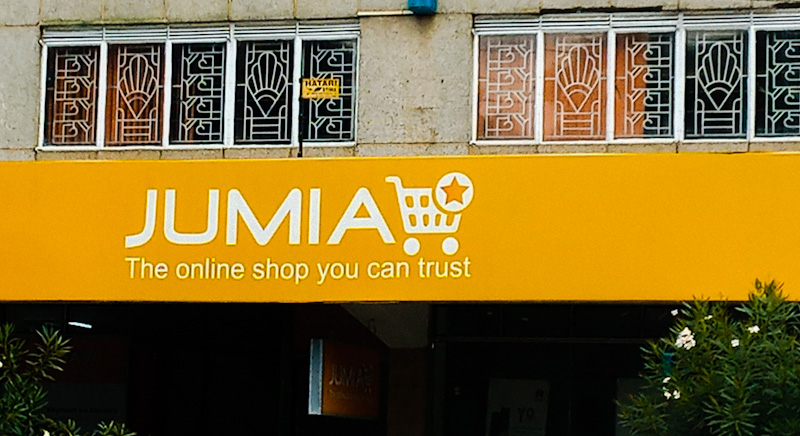
Kenya’s rural economy is undergoing a digital transformation that is positioning the country as Africa’s fastest-growing e-commerce frontier.
With nearly 70% of Kenyans living outside major cities, the expansion of online retail into underserved regions is no longer a side story; it is becoming the main engine of inclusive growth.
Digital Inclusion Driving Growth
According to the “E-commerce in Rural Kenya: Expanding Access, Driving Inclusion, Connecting Border to Border” report by Jumia Kenya, internet penetration now stands at 48%, with over 42 million smartphones in use and 45 million active mobile money subscriptions. This connectivity has enabled rural households to leapfrog traditional retail barriers and embrace digital marketplaces.
“Rural areas are now at the forefront of this digital revolution,” Vinod Goel, Jumia Regional CEO, East Africa, notes, highlighting how mobile-first platforms and last-mile delivery services are reshaping consumer behaviour.
Shifting Consumer Behaviour
Rural consumers are increasingly motivated by affordability, convenience, and product availability. Data shows that the best prices (58.9%), product availability (30%), and ease of access (11.1%) are the top drivers of online shopping. Popular categories include phones, home appliances, fashion, and beauty products, reflecting both utility and aspiration.
One Kisumu-based shopper, Faridah Makori, shared, “I buy electronics, smartwatches, headphones, and even jewellery online because it’s cheaper, faster, and more convenient than going to town.”
Logistics Innovation
The backbone of rural e-commerce lies in logistics. Affordable delivery options, ranging from KSh 160 to 1,600 depending on distance, combined with third-party logistics partnerships, are making nationwide access possible.
Companies like Lakeland Cargo and JBN Express are innovating with community pickup hubs, motorcycles, and rugged vehicles to overcome poor roads and informal addresses.
This ecosystem ensures that even remote counties such as Mandera, Moyale, and Lamu can receive goods within 2–4 days, a timeline once unimaginable for rural consumers.
Empowering SMEs and Livelihoods
The report highlights that small and medium-sized enterprises (SMEs) now account for 60% of sellers on digital platforms, up from 40% in 2024. This surge underscores how e-commerce is empowering local entrepreneurs to scale beyond their immediate markets.
By 2025, over 80,000 livelihoods were supported through rural e-commerce, from delivery agents to digital vendors, creating new pathways for income and entrepreneurship.
Policy and Future Outlook
Despite the rapid growth, Kenya’s e-commerce penetration remains at just 2–5% of total retail sales, far below global benchmarks such as China (22%) and the U.S. (19%).
The report warns that supportive policies are critical to unlocking full potential, especially as debates around taxation, like the proposed withholding tax on digital marketplace sales, could impact growth.
Looking ahead, rural internet and e-commerce penetration are projected to exceed 60% by 2027, driven by 4G/5G rollout, Buy-Now-Pay-Later solutions such as Lipa Pole Pole, and sustainability initiatives including solar-powered delivery hubs and eco-friendly packaging.
East Africans Trade More as EAC Intra-Regional Commerce Hits USD 18 Billion
