


Kenya’s investment ecosystem is brimming with potential. From Nairobi to Embu, founders are building, fund managers are mobilising, and regional networks are expanding.
Yet private equity (PE), the capital engine that could scale these ambitions, is still underperforming. Africa receives just 1–2% of global venture capital, despite holding nearly 20% of the world’s population.
Edward Claessen, Head of the European Investment Bank’s (EIB) Regional Hub for Eastern Africa, puts it plainly:
“There’s a big mismatch. That’s why we launched Boost Africa to bridge the gap and support entrepreneurs from startup to scale.”
In a recent The Kenyan Wall Street webinar, “Investing in Africa’s Future Through Private Equity,” three leaders: Adolfo Alonso Cires, Finance & Investments Manager, European Commission; Aéko Ongodia, Founder & CEO, XENO Investments; and Mercy Kimalat, CEO, Association of Startup and SME Enablers of Kenya (ASSEK)—shared insights on what’s working, what’s missing, and what needs to change.
Their reflections, backed by the European Investment Bank’s (EIB) 2024/2025 Global Impact Report, offer a clear message: Africa has the talent and ambition. Now it needs alignment.
What’s Holding Us Back?
As Aéko explained, private equity is not about buying shares on the Nairobi Securities Exchange. It’s about investing in privately held companies, scaling them, and exiting strategically. Think Java House, not Safaricom.
But many investors hesitate. They do not see clear exit paths. They are unsure about the market size. And they are wary of infrastructure gaps that could hinder fast growth. That hesitation is costing Kenya.
The Global Gateway Is Open
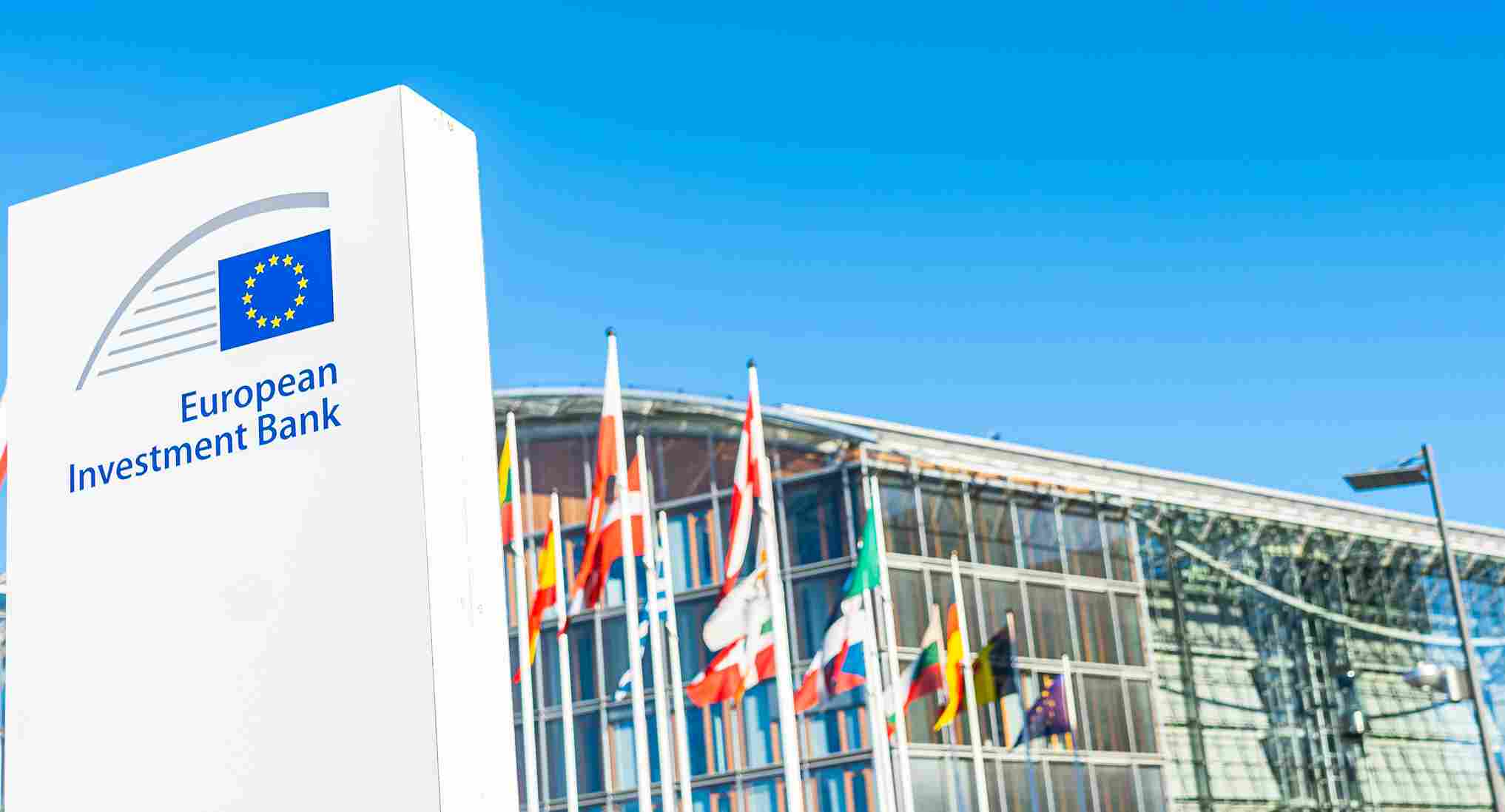
In 2024, the EIB signed €7.9 billion in global financing outside the EU. €6.7 billion of that supports the EU’s Global Gateway strategy. Boost Africa is part of that strategy, and it is already backing Kenyan companies like POA Internet, Shamba Pride, and Turaco Insurance, among others.
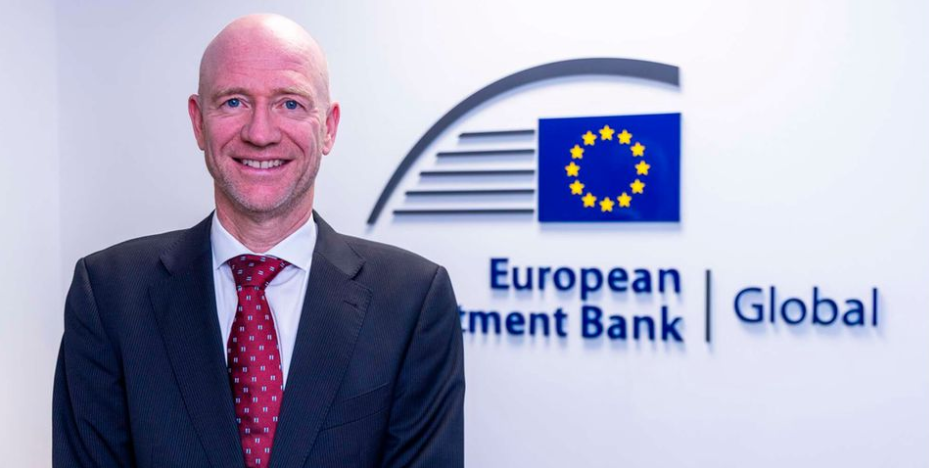
Claessen explains:
“We support incubators, accelerators, and early-stage and growth-stage fund managers who then invest in companies from inception to maturity. The goal is to create sustainable jobs and drive economic development.”
Boost Africa also uses a unique financing model. The EIB invests in a junior tranche of venture capital funds, committing to absorb some losses, should there be any, thus shielding other investors in the same funds, or if there is a lot of profit, giving more to the other private investors.
“EIB acts as an anchor investor, and we are changing the risk-reward model of investing in African funds. That’s how we are attracting/crowding in private sector money into these funds,” Claessen adds.
Where the Money Wants to Go
Clean energy, agribusiness, healthcare, and retail are attracting serious interest. These sectors can absorb large capital and scale quickly. Mercy added that creative industries, water and sanitation, and fintech are gaining traction, especially among second-generation founders.
Claessen confirms:
“We are supporting sectors ranging from logistics to education, but also creative industries like music. We have a strong focus on youth- and women-led businesses.”
The EIB’s impact metrics show what’s possible:
- 1.8 million people gained access to safe drinking water
- 7.1 million households received clean electricity
- 800,000 jobs sustained in SMEs
- 600,000 people benefited from improved health services
These outcomes align with Kenya’s development goals. The opportunity is real.
Founders Must Rethink Ownership
Mercy made a point:
“African founders tend to hold onto 100% of a $100 business instead of owning 5% of a $5 billion enterprise.”
Fear of losing control often deters entrepreneurs from embracing PE, even when it could catalyse scale, governance, and market access.
That mindset needs to shift. Private equity isn’t about losing control; it’s about gaining scale, improving governance, and wider market access. PE firms bring more than money; they bring strategy, systems, and networks.
Infrastructure remains a critical barrier.
“Investors hope governments will lay the groundwork so entrepreneurs can scale across borders,” Mercy said.
Without reliable transport, energy, and digital infrastructure, even well-capitalised startups struggle to expand. Financial systems also need reform to reduce the cost of capital and improve transparency.
To bridge these gaps, Mercy advocates for deeper collaboration between founders, incubators, accelerators, and PE firms. “If investors work with local institutions funding incubators, supporting due diligence, and mentoring startups, we shall see better accountability and returns,” she said.
Policy Reform Is the Missing Piece
Tunisia offers a smart model: if a PE firm loses its investment, the government reimburses 30% of that. That’s an investor-friendly policy. Kenya should take notes.
Mercy called for incentives, guarantees, and pension fund mobilisation. Adolfo from the European Commission emphasised regulatory clarity and local capital anchoring.
“If local investors, pension funds, and insurance firms don’t believe in these companies, why should foreign investors?” Adolfo asked.
Claessen adds:
“The public sector can’t provide all the capital needed for Africa’s development needs. Private capital is emerging as a powerful driver of growth. That’s why we are blending public and private finance to build a self-sustaining venture capital ecosystem.”
What Kenya Must Do Now
Kenya’s private equity moment is here. To seize it, we need action:
1. Mobilise local capital
Pension funds and insurance pools must anchor PE funds. Local belief drives global confidence.
2. Reform policy and regulation
Offer guarantees, simplify fund registration, and incentivise PE firms to set up locally.
3. Shift founder mindsets
Ownership is not the goal; impact is. Founders must embrace strategic partnerships.
4. Build scalable enterprises
Focus on sectors with PE appetite: energy, healthcare, agribusiness, fintech, and creative industries.
5. Align with national priorities with global trends
Kenya’s investment ecosystem is at an inflection point. With rising interest from local institutional investors, growing founder maturity, and strategic support from global partners like the EU, the ingredients for a thriving PE market are falling into place.
But success will depend on how well stakeholders collaborate to address ecosystem gaps, shift mindsets, and build enabling infrastructure.
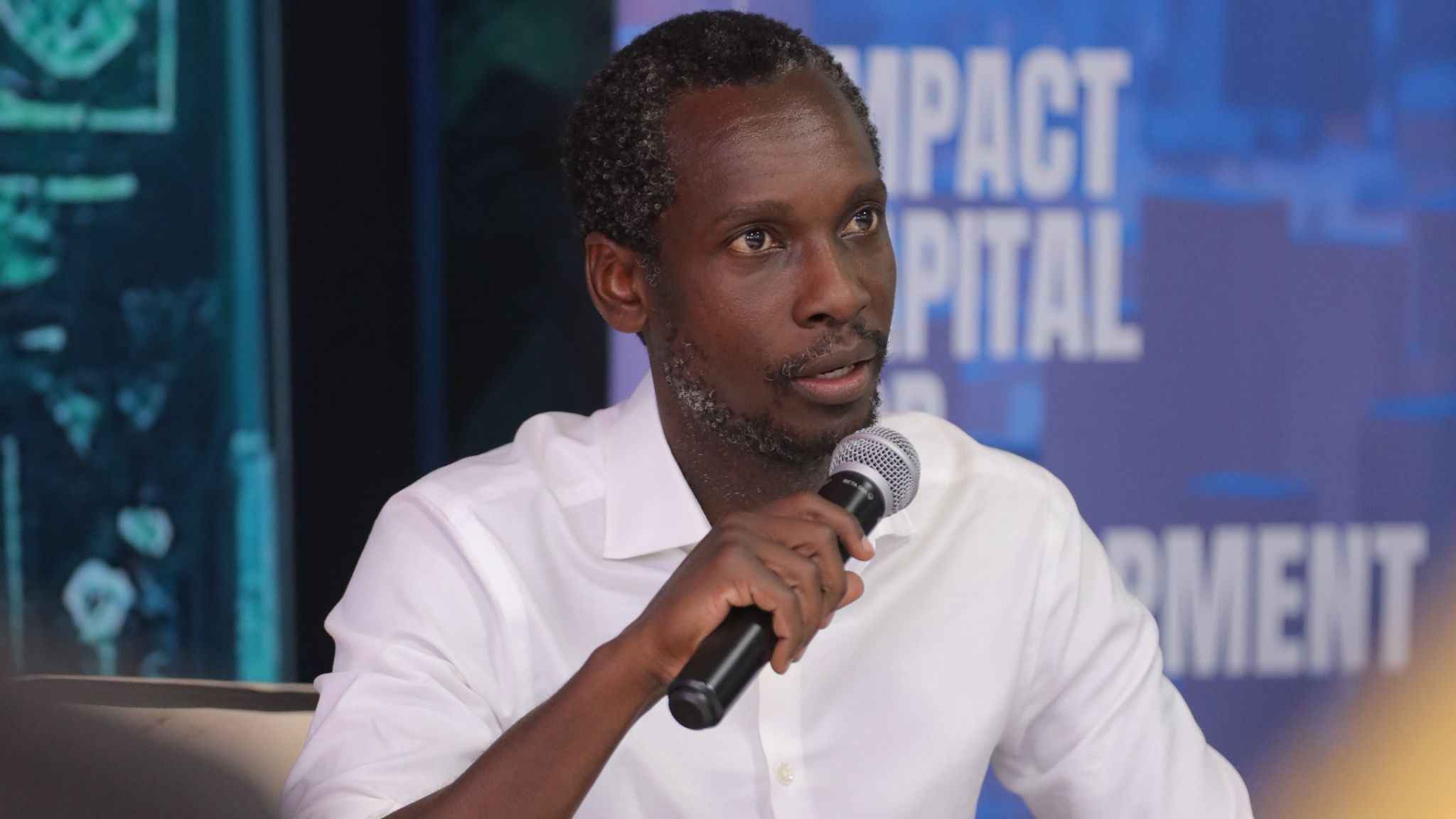
As Aéko put it, Xeno’s long-term vision is to become “the BlackRock of Africa,” aggregating small savings into large investable funds and eventually organising PE vehicles that can deploy capital at scale.
This ambition mirrors Kenya’s broader development priorities: inclusive finance, job creation, and regional integration.
The EU Global Gateway offers a framework to align these priorities with global capital flows. But it will take bold leadership, policy innovation, and grassroots mobilisation to turn potential into performance.
