



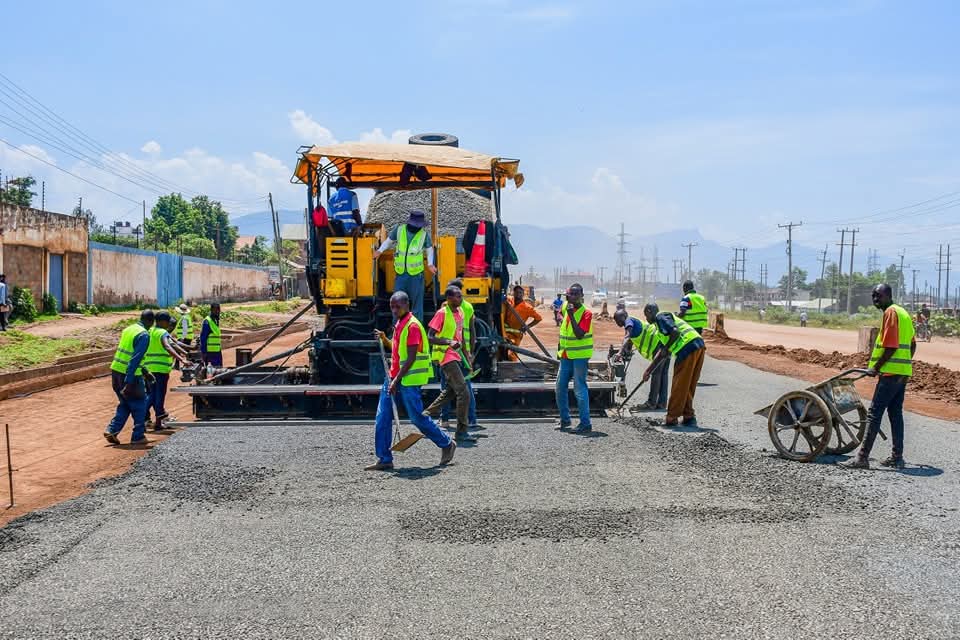
Kenya’s infrastructure sector made notable strides in H1 2025, with the government allocating KSh 217.3 billion for road development, a 12.3% increase from the previous fiscal year.
This investment signals a strategic pivot toward long-term connectivity and economic stimulation, with Public-Private Partnerships (PPPs) playing a central role in unlocking capital and accelerating delivery, according to Knight Frank Kenya’s Market Update H1 2025.
PPP Momentum Builds
Of the 33 PPP projects identified nationwide, 8 are active and 25 remain in the pipeline. The National Treasury has announced plans to initiate KSh 70 billion in new PPP deals starting July 1, 2025, targeting critical sectors such as energy, transport, and water. These projects are modelled after large-scale, privately initiated proposals and are expected to bolster real estate and industrial growth.
According to Cytonn Investments’ H1’2025 Markets Review, “The Kenyan government continues to demonstrate commitment to improve infrastructure around the country by launching and progressing several key projects across the nation, with a special focus on road networks during the year.”
These road projects are key to enhancing trade, attracting investment, and driving inclusive growth.
“Kenya’s infrastructure investments in H1 2025 are laying the groundwork for long-term economic growth. With transformative road networks, urban regeneration, and airport expansions underway, the real estate sector is primed for significant evolution—unlocking high-value opportunities for developers and investors. As these projects advance, Kenya’s stature as East Africa’s premier investment destination will only strengthen,” Knight Frank Kenya states.
Budget Cuts Raise Concerns
Despite the positive trajectory, Kenya’s road infrastructure agenda faced a setback when the National Treasury slashed KSh 11.7 billion from the road construction budget in the third supplementary estimates. The revised allocation for FY 2025/26 now stands at KSh 124.6 billion, down from KSh 136.4 billion in FY 2024/25, an 8.6% reduction attributed to below-target revenue performance.
Cytonn cautions that “this may be slowed down by the reduction in allocation to the State Department of Roads… We anticipate that going forward, there will be a decline in the number of infrastructure projects completed, while the number of stalled infrastructure projects across the country is expected to continue rising due to financial constraints.”
Major Road Projects in Focus
| Project Name | Length (km) | Estimated Cost (KES Millions) | Status / Completion |
|---|---|---|---|
| James Gichuru – Rironi | 26 | 20,410 | 79% complete |
| Valley Rd/Ngong Rd/Nyerere Rd Interchange & Overpasses | 6 | 2,990 | 39% complete |
| Dualling of Ngong Rd (Dagoretti–Karen) | 11 | 2,380 | 98% complete |
| Kwa Jomvu–Mariakani Highway | 30 | 10,230 | 1.8% complete |
| Mombasa–Mtwapa Road | 13.5 | 7,590 | 12.8% complete |
| Kenol–Sagana Road | 48 | 8,500 | 93.8% complete |
| Sagana–Marua Road | 36 | 6,120 | 85.1% complete |
| Nairobi Northern Bypass Dualling | 20.2 | TBC | Proposed (0%) |
Strategic Impact
These projects are expected to:
- Improve regional trade efficiency
- Decongest urban centres like Nairobi and Mombasa
- Stimulate real estate and industrial development along key corridors
- Attract logistics, manufacturing, and commercial investments, especially in SEZs like Dongo Kundu
Cytonn concludes with cautious optimism: “Although the government acknowledges the importance of Public-Private Partnerships (PPPs) in tackling financing challenges, we believe that prioritising PPPs is fundamental… By leveraging the resources and expertise of the private sector, PPPs can support sustainable infrastructure development and stimulate economic growth.”
