


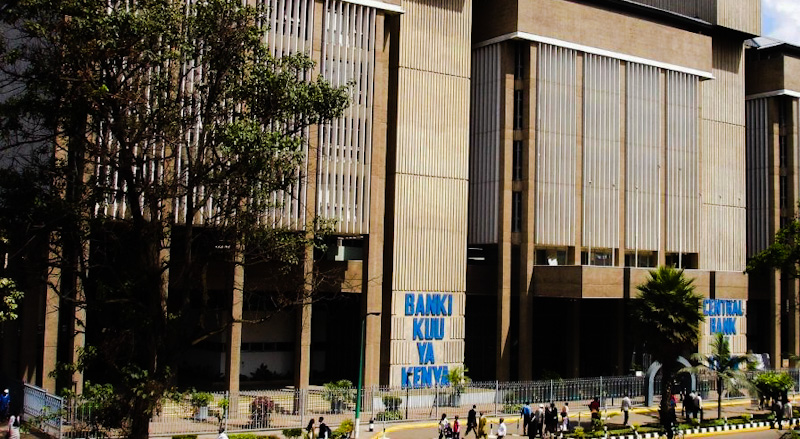
The Central Bank of Kenya (CBK) has launched a high-profile tender for a Retail Bond System (RBS), sparking intense industry debate just days after the Nairobi Securities Exchange (NSE) recorded record-breaking secondary bond market turnover.
On July 21, the NSE reached KSh 1.552 trillion in year-to-date turnover, surpassing the total for the entire 2024 year with five months remaining. If current trends continue, turnover could top KSh 2.5 trillion by year-end, cementing the NSE’s role as the nucleus of government securities trading.
CBK’s tender, published July 24, seeks a full-spectrum digital platform for retail bond issuance, settlement, and investor servicing. While its stated goal is to expand access and modernise infrastructure, the project’s scale has ignited speculation that CBK could sideline existing intermediaries, posing risks to the KSh 2 trillion secondary bond ecosystem and its stakeholders.
“The system is designed to cater to millions of transactions simultaneously,” CBK stated. “It will be available 24/7 and integrate with mobile money wallets, RTGS, Swift, PesaLink, and FAST.”
Retail Bond Market Booms
Retail holdings of government securities have doubled in two years to KSh 801.8 billion, driven by tools like the Dhow CSD. As yields on new bonds decline, demand for older, high-coupon securities has intensified—funnelling even more liquidity into the secondary market.
Analysts warn that a parallel system run by CBK could fragment market structure, disrupt broker revenues, and erode NSE’s leadership in secondary trading.
“This is a notable evolution from previous platforms,” said Cytonn Investments. “Whereas M-Akiba suffered from limited functionality and no exit mechanism, and DhowCSD catered to tech-savvy users, the new system is built around mass-market inclusion and simplicity.”
System Features and Policy Backdrop
Designed to streamline investor onboarding, KYC, payments, and secondary trading via OTC and exchange platforms, the RBS marks a shift toward financial inclusivity. The hybrid system will offer tools for pledging securities, rediscounting, and lifecycle engagement—all accessible via mobile apps, USSD, and web interfaces.
Key specs include:
- Real-time interoperability with CSD, mobile money, and banking systems
- Support for English/Kiswahili and global data standards (ISO 14651, ISO 8859-15)
- Escrow-backed vendor assurance and disaster recovery
- Future integration of blockchain and AI features
The system also supports issuance models like tap sales, reopenings, and savings-linked products—some of which may compete with fintech apps and private-sector tools.
From a fiscal standpoint, Treasury’s target of KSh 635.5 billion in domestic borrowing for FY2025/26, coupled with tighter global credit markets, heightens the platform’s strategic significance.
“If well-executed, the platform could serve as a blueprint for frontier markets,” Cytonn observed. “But success hinges on public education, seamless UX, and sustained institutional commitment.”
Timeline & Implications
The tender closes on August 13, with a pre-bid meeting held July 31.
Kenya’s Infrastructure Bonds Gain Traction Amid Fiscal Consolidation Drive
